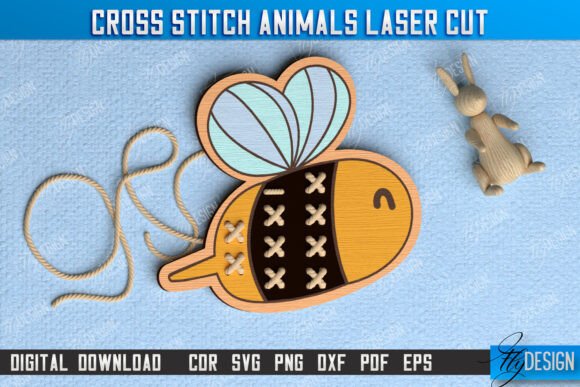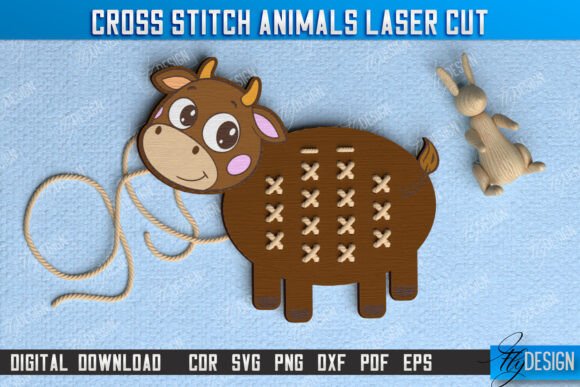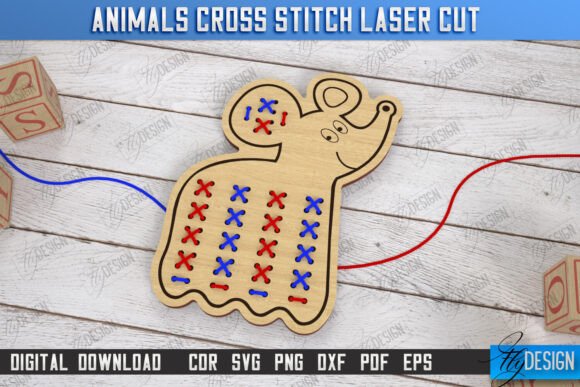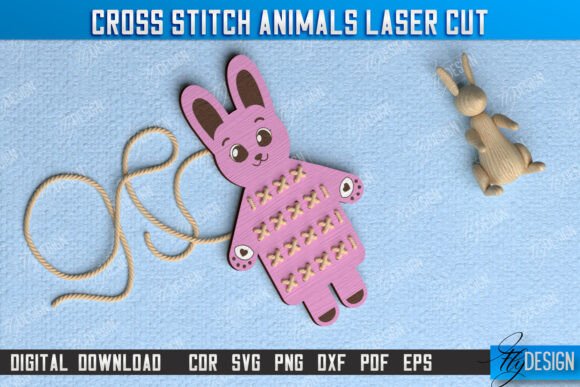
The Charm & Craft of a Penguin Montessori Lacing Design
A Designer’s First Impression: Cute, Educational, and Craft-Ready
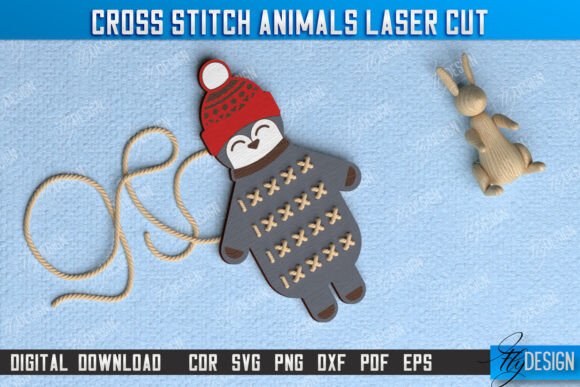
As an embroidery designer preparing for a weekend craft fair, my first look at Cross Stitch Penguin Montessori Lacing tells me this is a winner for the handmade market. The title itself blends two powerful selling points: adorable animal appeal and educational value. The design feels cute, soft, and inherently decorative. It’s not overly rustic or modern, but occupies a sweet, universally appealing middle ground perfect for giftable handmade items.
Given the product description notes it’s a CNC file for laser cutting, with clear RED line for CUT and BLACK line for ENGRAVE, the translation to machine embroidery design requires thoughtful adaptation. The core appeal, however, remains: a clean, graphic penguin motif tied to a developmental lacing game. This combination suggests a design that’s both visually charming and functionally purposeful, which can elevate a simple embroidered item into a premium, conversation-starting piece at your booth.
Where This Penguin Design Shines on Craft Fair Products
When curating my table display—filled with embroidered tote bags, aprons, tea towels, patches, and pillow covers—I immediately evaluate where this design will stand out.
Strong Candidates for Maximum Impact
- Tote Bags & Market Bags: The penguin motif, especially if sized as a large focal design, becomes an instant eye-catcher. Its educational twist (“Montessori Lacing”) adds a story, making the bag not just decorative but clever. Parents and gift-buyers notice this.
- Children’s Aprons & Kitchen Towels: On a child’s apron or a playful kitchen towel, the design feels perfectly thematic. The cute factor is high, and it photographs beautifully for Etsy listings and printable mockups.
- Embroidered Patches & Small Pouches: As a smaller accent, the penguin could become a delightful patch or pouch detail. This is ideal for batch production—creating a series of consistent, branded small shop products.
- Pillow Covers & Booth Samples: A pillow cover with this design acts as a fantastic booth sample, showcasing your embroidery skill and the design’s texture. It feels cozy and handcrafted.
Careful-Use Applications
- Caps & Curved Surfaces: Embroidering on curved cap surfaces requires testing. Small details or lettering within the design might lose clarity. A simplified version may be needed.
- Dark Fabric: Thread contrast is crucial. If the design uses fine black engrave lines, they may vanish on dark fabrics. Always test on scrap fabric first.
- Textured Towels & Thick Fabric: The design’s integrity depends on stitch density and stabilizer choice. Dense stitch areas on textured towels can look messy; a good stabilizer is non-negotiable.
Visual Appeal & Customer Attention
The Cross Stitch Penguin Montessori Lacing design, by its nature, boosts perceived product value. It looks intentional and well-designed, not random. In a crowded craft fair, such a piece attracts buyers looking for handmade quality with a touch of thoughtful design. It encourages engagement—people will ask about the “lacing” part, giving you a chance to explain its educational roots, even if your final product is a decorative embroidery.
For brand consistency, this design can anchor a small series. Imagine a collection of “Educational Animal” totes or patches. It strengthens your booth display strength by showing curated cohesion.
Production Realities for the Embroidery Designer
Turning this laser cutting file into a successful embroidery file involves several hands-on steps:
- Create at Least One Real Mockup: Never rely on the digital file alone. Stitch it out on your intended product fabric—a tote bag linen or a tea towel cotton—to see real-world scale and texture.
- Check Thread Contrast & Compare Fabric Colors: How does the design pop on cream, white, or light blue fabric? Does it need brighter accent threads?
- Review Spacing & Confirm Hoop Size: Based on the description, the original file has clear cut and engrave lines. In embroidery, ensure elements are spaced so stitches don’t bunch. Choose a hoop size that comfortably fits the design as you intend to scale it.
- Inspect Stitch Density: Tiny details meant for engraving might translate to very dense satin stitches or fine running stitches. Test to avoid fabric puckering.
- Confirm Commercial Licensing: The product is listed under Other Toys Games and for Laser Cutting. Before selling finished products at scale, verify the license terms of the digital file you purchased allows for commercial embroidery and resale of physical items.
Final Thoughts for the Craft Fair Seller
The Cross Stitch Penguin Montessori Lacing design holds substantial potential for craft fair products. Its charm is immediate, its story adds value, and its clean graphic nature makes it versatile across aprons, totes, and patches. For production, the key is adaptation: respecting the shift from laser lines to embroidery stitches, rigorously testing on actual materials, and ensuring your final finished product looks crisp and inviting.
As you prepare your booth, imagine this penguin as a focal point on a well-made tote bag or a set of playful patches. It will catch the eye of parents, educators, and anyone who appreciates cute, thoughtful design. By following practical embroidery designer notes—testing, contrasting, and checking licensing—you transform a digital design asset into a tangible, sellable piece that embodies the best of handmade market appeal.