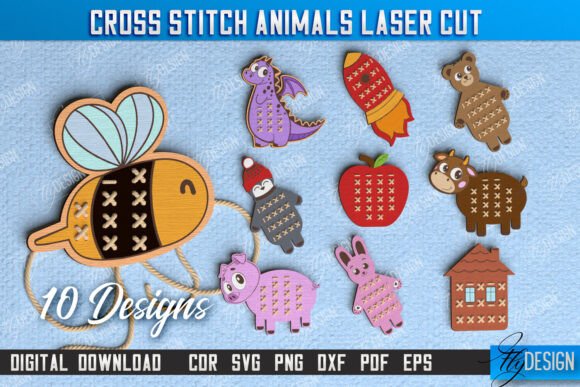
A Cow, a Craft, and a Business: My Take on the Cross Stitch Cow Montessori Lacing
I’ve been digitizing and stitching designs for years, from quick logos to intricate art pieces. So when I look at a file like the Cross Stitch Cow Montessori Lacing, my first instinct isn’t just to admire it; I immediately start thinking about where it would live in the real world. What fabric would make it shine? What product would give it purpose? How would my clients react to it stitched onto their gift or merchandise?
The Personality of This Playful Bovine
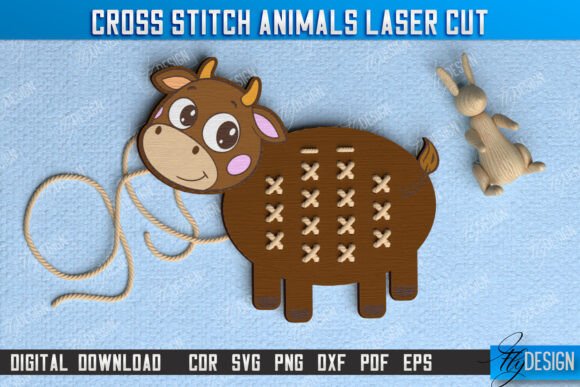
The first impression here is one of gentle, educational charm. This isn’t an aggressive or overly whimsical cartoon cow. The shape feels friendly and stable, with a layout that’s clearly designed for clarity and interaction. The “lacing” element suggests motion and activity, giving the design a purpose beyond mere decoration. It creates a mood of calm, focused play—perfect for projects aimed at children, learning, or thoughtful handmade gifts. The detail level appears balanced: not so simple that it feels bland, but not so dense that it becomes a stitching nightmare on delicate fabrics. Its visual personality is quietly confident; it knows it’s a tool for engagement.
Where This Design Finds Its True Home
Let’s get practical. I picture this cross stitch cow on a crisp, natural-colored cotton tote bag for a boutique children’s store. Or, more personally, as a featured motif on a pillow cover in a nursery, paired with simple, textured fabrics. The educational toy nature of it makes it a natural fit for baby clothes, like a little denim jacket or a linen apron for a toddler. As a handmade patch, it could be wonderful on a backpack or a canvas book bag.
For a small business owner or Etsy seller, this design translates into value. Stitched neatly onto a tea towel or a kitchen set, it elevates a basic item into a thematic, giftable product. Its clean lines promise stitching clarity, which directly builds customer trust—they see a professional, crisp finish, not a messy blob of thread. For holiday gifts, think about a personalized baby blanket or a set of embroidered play mats. It has that boutique branding appeal: consistent, recognizable, and professional.
A Real-Life Scenario: Crafting a Boutique Baby Gift Set
Imagine you’re preparing a custom gift for a newborn. You want a coordinated set: a burp cloth, a small blanket, and a keepsake pillow. You load this cow design, thinking about thread colors. On a light oatmeal-colored linen for the pillow, a soft brown and cream palette would make the cow feel earthy and gentle. On the white burp cloth, perhaps a contrasting black outline with pastel fills to keep it soft. The lacing details would offer a beautiful texture. The reaction you’re aiming for? A parent appreciating not just the cuteness, but the thoughtful, skillfully executed craftsmanship that turns simple items into heirlooms.
Considerations for a Smooth Stitching Experience
This is where a designer’s experience really comes into play. While the design looks clean, there are always places to use a file carefully.
- Small Hoop Sizes: If the design has smaller internal details (like the lacing holes or facial features), test it in your intended hoop size on scrap fabric first. Tiny areas can get lost or become too dense.
- Fabric Choice: Avoid very textured or overly stretchy fabrics for your first attempt. The clarity of the lacing and outlines needs a stable base. Thin fabrics will require a good stabilizer to prevent puckering.
- Dark Fabric Backgrounds: This is a classic test. How does the design translate onto a dark navy sweatshirt or cap? You might need to adjust your thread color plan significantly—perhaps using lighter fills and keeping the outlines bold.
- Curved Surfaces: Embroidering this on a cap brim? Check the design layout in your software to ensure the longer elements won’t distort on the curve.
- Products for Frequent Use: If this is going on an apron or a child’s item that will be washed often, consider a robust stitch density and quality threads to maintain integrity.
All these points affect the final visual appeal and the product’s longevity. A distorted design on a cap or a faded one on a towel hurts your handmade presentation and brand consistency.
Professional Notes Before You Stitch or Sell
Before you commit this design to a client’s project or your own merchandise, run through this checklist. It’s what I do with every new file.
- Test on Scrap: Always. Use the same fabric and stabilizer you plan for the final product. Check thread color contrast—sometimes a palette looks good on screen but flat in stitches.
- Review Stitch Density: Load the file and look for any unusually dense fill stitch areas that might be tough on lightweight fabrics.
- Inspect Small Details: Zoom in on the file. Are the lacing lines and potential engraving details (like the Black line mentioned) clear and distinct? They need to be to serve their educational function.
- Mockup in Black and White: Create simple printable mockups on both light and dark backgrounds. This helps visualize the design for digital product previews or Etsy listings.
- Confirm Licensing: This is crucial for commercial embroidery projects. The product description mentions it’s a CNC file for laser cutting machines. As an embroidery designer, you must verify the license terms. Is this file intended for adaptation into an embroidery file? Are you allowed to sell the finished embroidered products or the digitized embroidery file itself? Never assume. Check the source explicitly before selling any finished items or digital embroidery products.
The Final Verdict on Practical Value
The Cross Stitch Cow Montessori Lacing design, from a practical embroidery standpoint, holds a lot of potential. It’s a thematic asset that can be applied across a range of products, from personalized gifts to small shop merchandise. Its educational toy roots give it a story, which enhances giftability and buyer engagement. For crafters and creative entrepreneurs, it’s a design that, when executed well, speaks to skill and thoughtfulness. However, its success entirely depends on your due diligence: testing, adapting to your specific fabric and product, and ensuring you’re using it within the correct licensing framework for your craft business. Approach it not just as a cute cow, but as a design asset that requires your professional judgment to truly shine in the real world of embroidery projects.