Reviewing the Game Controller Embroidery Design for Business Merchandise
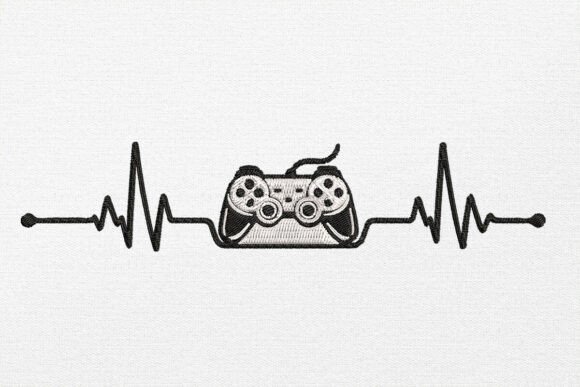
As an embroidery designer working with brands daily, my first look at the Game Controller design is about its business potential. The title instantly suggests a playful, modern, and engaging visual. This isn't just a decorative motif; it's a recognizable icon with strong associative power. For a business in the Toys Games category, or any brand wanting a friendly, contemporary vibe, this design offers a versatile starting point. Its described use on towels, pillows, and home decor hints at a decorative charm, but my review focuses on translating that charm into professional, branded merchandise.
Visual Personality and Brand Identity Impact
The Game Controller embroidery file carries a bold, graphic personality. In a commercial context, this translates to a design that feels both playful and premium. It’s not overly rustic or handmade in a casual sense; its clean, iconic shape lends itself to a polished look when stitched with precision. For a small café with a retro arcade corner, a boutique selling unique gadgets, or a creative studio in the tech space, this design can anchor brand identity. It builds customer recognition through a familiar, enjoyable symbol. Stitched onto merchandise, it elevates a simple tote bag or apron into a coherent brand asset, enhancing perceived value and visual consistency.
Real-World Business Applications: Patches and Custom Apparel
Let’s move from impression to application. How does the Game Controller perform for core small business merch needs?
Embroidered Patches for Product Labels and Gifts
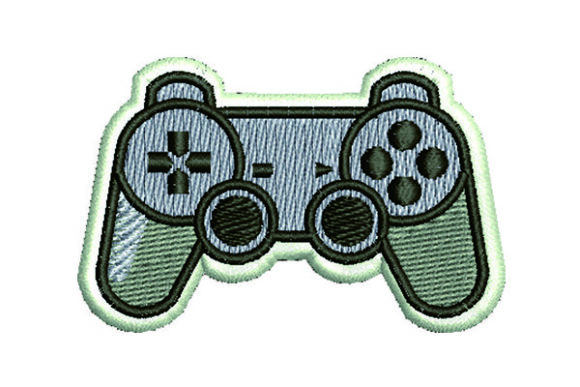
An embroidered patch is one of the most versatile applications. This design, given its likely defined outline and solid areas, should be a strong candidate. A small handmade shop could stitch this onto a branded patch to sew onto product packaging as a premium accent. A pet brand selling toys could use it as a playful sleeve detail on staff shirts. For event merch or customer gifts, a standalone patch offers flexibility. However, a key designer note: always test this embroidery file at your intended patch size first. Icon-based designs need to maintain clarity when minimized. Check for any tiny internal details that might vanish on a small patch.
Staff Uniforms, Aprons, and Cap Embroidery
For uniforms, the Game Controller can act as a perfect chest logo accent or sleeve detail. On a bakery or florist apron, it injects a touch of modern charm. Cap embroidery is another prime use, but curved surfaces demand careful evaluation. The design’s stitch density must be suitable for the structured fabric of a cap front; high density can lead to stiffness. Its graphic nature should provide good thread color contrast, which is vital on dark uniform fabrics. I advise testing on a real cap sample with proper stabilizer.
Tote Bag Marks and Boutique Merchandise
Tote bags are a staple for boutiques and Etsy sellers. This design, described as “cool,” can serve as a central tote bag mark. It’s engaging enough to draw buyer attention while reinforcing brand personality. For a business selling handmade products, this machine embroidery design adds a layer of professional finish compared to vinyl or print. It also works for pillow covers or towels sold as boutique merchandise, directly aligning with the product description.
Practical Designer Notes for Commercial Use
Before running any commercial embroidery project, a professional review involves concrete steps.
- Test in Black and White First: Stitch a sample using only high-contrast thread. This reveals the design’s foundational structure without color distracting you. It highlights spacing and outline integrity.
- Check Fabric Compatibility: The design mentions home decor items. Test on various textures—from the smooth cotton of a shirt to the thicker weave of a tote bag. Different fabrics require different stabilizer approaches.
- Create a Printable Mockup: Before client approval, generate a mockup showing the Game Controller on the intended product (e.g., an apron, cap). This ensures the client visualizes the business application, not just the decorative file.
- Compare with Other Design Assets: Place the stitched sample beside your brand’s other logos or graphics. Does it maintain visual harmony? For brand identity, consistency is key.
- Confirm Commercial Licensing: The product description does not specify license terms. It is essential to verify that this digital embroidery file is cleared for commercial embroidery use on merchandise you sell.
- Review Hoop Size Requirements: While specific hoop sizes aren’t provided here, knowing the required hoop size is crucial for planning production on items like work shirts or towels.
Where to Exercise Caution
Even a strong design has limits in business use. Here are scenarios where the Game Controller might need careful handling.
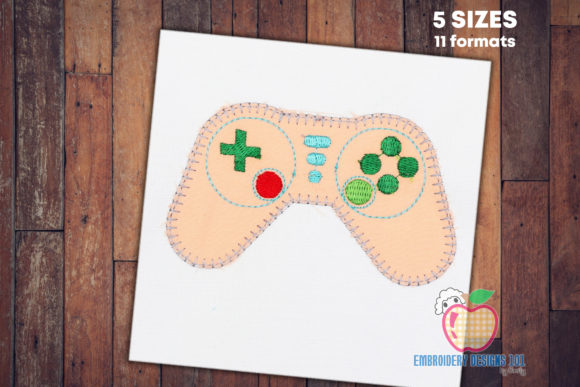
- Extremely Small Patch Sizes: As noted, if the design contains intricate internal button details, these may not stitch cleanly on a very small product label patch.
- Items Requiring Frequent Washing: For uniforms or towels that undergo heavy laundering, the stitch density and thread type must be chosen for durability. A densely stitched area on a towel might wear differently.
- Dark or Textured Uniform Backgrounds: On dark polos or textured work shirts, thread color selection becomes critical. You might need to opt for a lighter outline or brighter fill colors to maintain visibility.
- High-Detail Areas: If the design includes fine lettering or tiny symbols within the controller graphic, those elements might be lost on curved surfaces like caps or on textured fabric.
Final Assessment for Small Business Merchandise
The Game Controller embroidery design presents a valuable asset for businesses targeting a playful, modern, or tech-friendly audience. Its iconic nature supports brand recognition and customer engagement on merchandise. It transitions well from a decorative concept described for home decor to a professional brand mark for patches, apparel, and custom products. The key for embroidery shops, apparel decorators, and merch creators is to approach it with a production mindset: test rigorously, consider the end-use fabric and washing, and always secure proper licensing. When applied thoughtfully, this design can add a touch of charm that also adds substantial value to your small business’s branded finished product.