A Real-World Look at the Game Console Patch Design
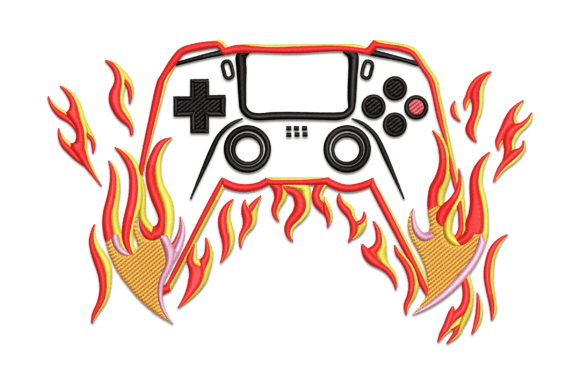
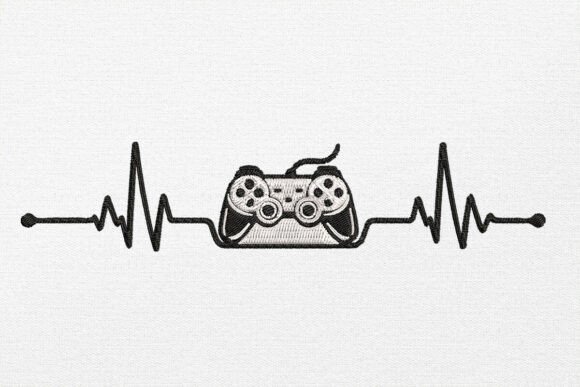
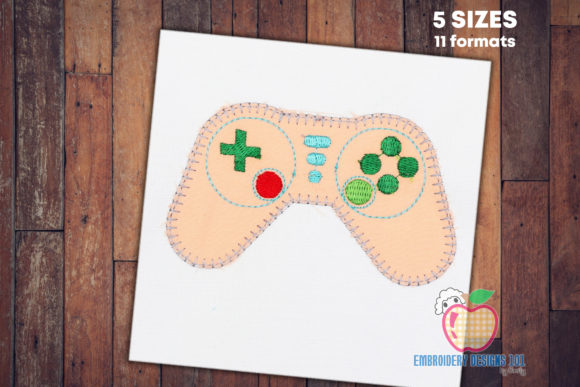
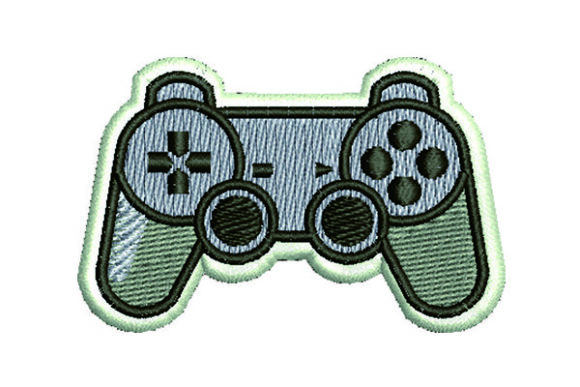
Whenever a new embroidery file lands on my desktop, I take a deep breath and look at it not just as a graphic, but as a future physical object. My first question is always: how will this actually stitch out? Today, I’m putting the Game Console Patch under that practical lens. It’s described as a cute embroidery perfect for children or passionate gamers, and that’s exactly the mood it telegraphs. It’s not a hyper-realistic render; it has a friendly, almost nostalgic personality. The shape is rounded and approachable, the theme is instantly recognizable without being aggressive, and the detail level suggests it’s designed for clarity rather than complexity. This feels like a design that belongs on something worn, carried, or displayed—a piece that sparks a smile rather than just admiration for technical stitching.
Where This Console Shines in a Maker’s World
So, where does this design naturally fit? I imagine it stitched onto a heavyweight cotton tote bag for a gamer headed to a convention—the solid fabric provides a perfect canvas. On a fleece-backed sweatshirt, it would become a cozy, personal statement. For a baby item, perhaps a soft blanket or a bib, it’s a sweet nod to a parent’s hobby. As a standalone embroidered patch, it’s versatile; it could be ironed onto a backpack or a denim jacket. In a boutique setting, a tea towel or an apron with this design becomes a quirky kitchen gift. For holiday gifts, especially for that hard-to-gift teen or a gaming enthusiast, a pillow cover or a custom cap with this patch solves the “what to get them” problem. It’s the kind of design that elevates simple merchandise—a plain black tee becomes a specific, giftable product.
Scenarios That Demand a Closer Look
This isn’t a one-size-fits-all file, however. Some applications need careful consideration. If you’re thinking of stitching it onto a very thin or stretchy fabric, like a fine t-shirt, the stitch density will be crucial—you’ll need excellent stabilizer to prevent puckering. On dark fabric backgrounds, the visual appeal depends entirely on thread color contrast; a test stitch on scrap fabric is non-negotiable here. Curved surfaces, like the front of a cap, require checking how the design’s rounded shape conforms to the curve; some elements might get distorted. If you plan to use it on items needing frequent washing, like baby clothes or kitchen towels, you must ensure your stitching technique and thread quality can withstand it. Tiny details or dense stitch areas in the design could become muddled on textured fabrics like some sweatshirt materials. Always inspect those small details in a black and white mockup first to judge clarity.
Beyond the Stitches: What This Design Communicates
The value of an embroidery file isn’ just in its stitches, but in the story it tells on a finished product. When a customer sees the Game Console Patch on a handmade item, it creates immediate recognition—a connection. That boosts the perceived value. For a creative entrepreneur, using a clean, well-defined design like this builds customer trust; it looks professional and intentional, not haphazard. It strengthens brand consistency if your shop leans into pop culture or nostalgic themes. As a personalized gift, it feels thoughtful because it’s specific. The handmade presentation gains a focal point that’s both fun and well-executed. In your Etsy listings or craft fair displays, a product featuring this design engages buyers quickly—they know exactly what it’s for and who it’s for.
A Designer’s Practical Checklist Before Hooping
Before I commit any design to a client project or my own shop merchandise, I run through a mental list. For the Game Console Patch, here’s what I’d do. First, stitch it out on scrap fabric identical to my final product fabric. This reveals everything: actual thread color interaction, real stitch density, and how small details like potential button or screen elements emerge. I’d test it on both light and dark backgrounds. I’d confirm the hoop size needed—a design this size likely needs a moderate hoop, but never assume. I’d use proper stabilizer for the chosen application. Crucially, I’d verify the licensing terms. Is this machine embroidery design for personal use only, or commercial embroidery as well? This determines if I can sell the finished tote bag, baby blanket, or apron. Never proceed without that clarity.
The Final Verdict for Real Projects
Stepping back, the Game Console Patch feels like a solid, useful digital embroidery file for crafters and small business owners. Its strength is its clear theme and friendly aesthetic, making it a versatile asset for custom apparel and personalized gifts. It likely uses satin stitches for borders and fill stitches for the main body, which should provide good stitching clarity on the right materials. For embroidery designers and apparel decorators, it’s a design that reduces explanation—the product speaks for itself. My advice is to lean into its obvious appeal: use it for products targeting gamers, kids, or anyone with a playful side. Pair it with quality fabrics and professional stitching, and it will become a beloved item, whether it’s on a holiday gift, boutique product, or your own craft business merchandise. Just always do that practical homework first—hoop your scrap, check your colors, and know your license. That’s how a good digital design becomes a great finished product.