Football Helmet Embroidery Design: A Sports Booth Anchor
First Impressions: Bold, Iconic, and Immediately Recognizable
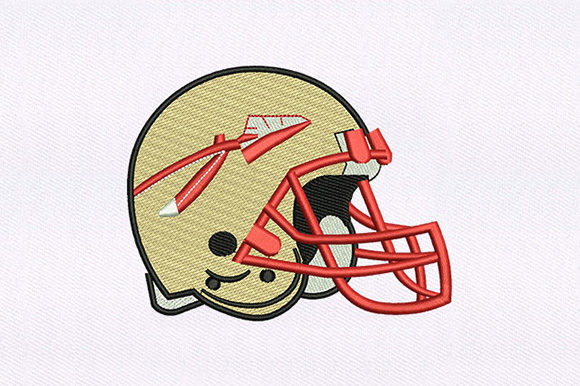
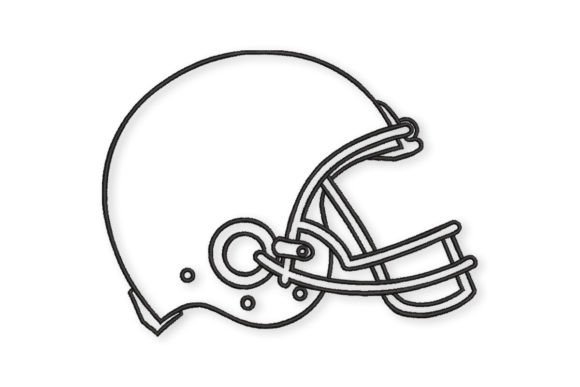
When I first opened the Football Helmet embroidery design, my immediate thought was: this is a craft fair anchor. The design isn't cute or minimalist—it's bold and iconic. It screams sports without needing any explanation. At a bustling handmade market, amidst farmhouse florals and rustic quotes, this design would stand out like a beacon to a specific, passionate customer base. It feels premium because of its detailed nature, suggesting quality and a strong focal point for any product.
Product Application: Where This Helmet Will Shine
My review process always starts by imagining the design on my booth table. Here’s where I believe the Football Helmet will perform best.
Top Tier Products for Sales and Display
Caps and Patches are the natural home for this design. The curved surface of a cap can handle a well-digitized, detailed helmet, making it a high-value, instant-sell item for sports fans. As an embroidered patch, it becomes versatile—customers can iron it onto bags, jackets, or gifts. This flexibility increases its appeal.
Tote Bags and Market Bags offer a larger canvas. Placed centrally, the helmet becomes a statement piece, transforming a simple bag into a fan accessory. It photographs exceptionally well for Etsy listings and printable mockups because of its clear, strong silhouette.
Pillow Covers in a den or family room are another winner. This design moves beyond wearable items into home decor, tapping into a different buyer mindset who wants to showcase their team spirit in a cozy, handmade way.
Considerations for Other Products
On aprons and tea towels, the design would need careful placement. These items often have a more rustic or kitchen-focused aesthetic. The helmet could feel incongruous unless targeted specifically for a "game day kitchen" vibe. On small pouches, the detail might be lost if scaled down too much, reducing its impact. As a small accent on a larger item, it might not carry the weight it deserves.
Practical Production: An Embroidery Designer's Checklist
Turning this digital embroidery file into a batch of craft fair products requires a practical eye. Here are my notes.
Design Complexity and Stitch Management
The description mentions it's "detailed." In practice, this means we must be mindful of stitch density, especially in the helmet's shell and face mask areas. Dense stitch areas on textured towels or thick fabric like canvas might require experimenting with stabilizer to prevent puckering. There's likely no tiny lettering, which is a relief for small-scale production, but the intricate lines of the face mask could lose clarity if the design is miniaturized for a tiny product. Always test on scrap fabric first.
Hoop Size, Thread, and Batch Production
This design is almost certainly a medium to large hoop size design. It needs space to breathe and show its detail. For batch production, its iconic nature makes it repeatable—you can embroider it twenty times on twenty tote bags without it feeling repetitive to customers, because each one is a clear, standalone statement. Thread color contrast is crucial. On dark fabric, you'll need bright, possibly white or metallic, threads for the helmet details to pop. Always create at least one real mockup on your intended product fabric before committing to a full batch.
The Selling Power: Customer Attention and Booth Dynamics
From a sales perspective, the Football Helmet design offers concrete advantages.
Visual Appeal and Customer Engagement
At a craft fair, people scan tables quickly. This design is easy to understand at a glance. It immediately communicates "football," attracting fans and gift-seekers for fans. It creates a booth display strength by providing a thematic anchor. You could group helmet-embroidered items together, creating a powerful sports section that feels curated and professional. This boosts perceived handmade quality and brand consistency for your small shop.
Product Value and Buyer Perception
Applied well on a suitable product, like a premium cap or a large tote, the design increases the item's value. Customers perceive the detailed embroidery as skilled work, justifying a higher price point. It’s not a generic shape; it’s a specific, recognizable object that feels worth paying for. For the Etsy seller and digital seller, this translates to strong listing photographs that tell the product story instantly.
Final Designer Advice Before You Stitch
As a final step before your weekend craft fair, I strongly advise a disciplined pre-production review.
- Confirm Commercial Licensing: Ensure your purchase of this digital embroidery file includes the right to sell the finished products commercially.
- Match Fabric Colors: Test the design on the actual colors of fabric you’ll use—heather gray caps, natural canvas totes—to see how the thread colors interact.
- Inspect Stitch Density: Run a test stitchout and feel the fabric. Is it stiff from too many stitches? Adjust stabilizer or potentially request a lighter version from the designer if needed.
- Review Spacing: On curved surfaces like caps, check that the design's edges don't run too close to the seam where the hoop can't stabilize properly.
- Plan Your Booth Sample: Your best-looking mockup should be front and center in your booth. For the Football Helmet, that's likely a cap or a tote bag displayed upright, visible from ten feet away.
The Football Helmet embroidery design has the potential to be a high-impact, profitable item for your handmade market table. Its bold, iconic nature cuts through the visual noise of a fair. By applying it thoughtfully to the right products and managing the production details carefully, you can create a line of items that not only sell well but also elevate the entire professional feel of your creative entrepreneur booth.