Evaluating the Us Football Helmet Embroidery Design
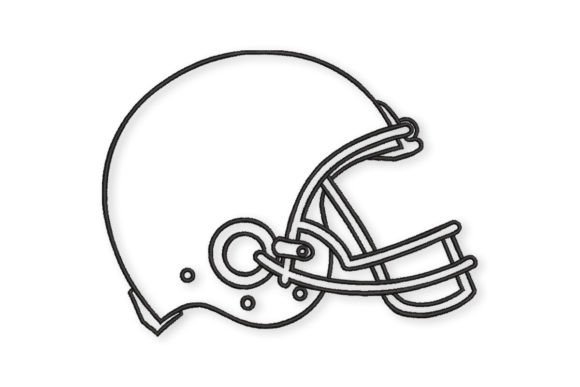
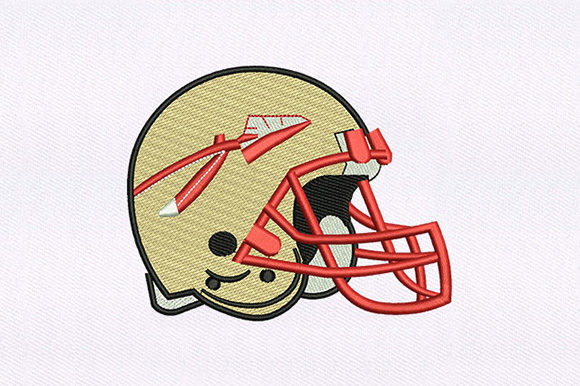
When I see a new design like the Us Football Helmet, my first instinct isn't to just admire it on screen. I immediately start visualizing it stitched out on fabric, wondering how it will translate from a digital file into a real, tangible product. This particular design’s bold, iconic shape speaks to a clear theme: it’s straightforward, confident, and all about sports pride. The layout is centered and commanding, with a level of detail that suggests it’s built for clarity rather than intricate artistry. It feels like a design meant to make a statement, not whisper a secret. Its visual personality is classic and recognizable, making it a natural fit for projects where you want the message to be instantly understood.
The Kind of Project This Design Calls For
This isn't a subtle floral accent. The Us Football Helmet embroidery design has a specific job. It belongs on items meant for celebration, loyalty, and personal passion. I picture it stitched onto the front of a cozy sweatshirt for a fan, or centered on a sturdy tote bag for carrying gear to the game. It would make a fantastic focal point on a pillow cover for a den or a young athlete’s room. For a small business owner selling at craft fairs or on Etsy, this design could be the star of a simple, effective product line—think embroidered caps, robust aprons for a tailgate, or even a crisp kitchen towel as a novelty gift. Its strength is in its immediate recognition.
Putting It to Work in Real Embroidery Situations
Let’s walk through a real scenario. Imagine you’re preparing a custom embroidered sweatshirt as a personalized gift for a client. You’ve chosen a heavy cotton-blend fabric. Hooping it up, you’d consider the size of this helmet design. While the specific hoop size isn’t listed in the provided embroidery file formats—which include the widely used PES, JEF, and DST among others like ART and VIP—you’d need to check the actual file to ensure it fits your project’s intended placement. On that sweatshirt, with proper stabilizer, the solid shapes of the helmet should stitch out with clean, crisp edges. The stitch density will be key here; a too-dense fill on a stretchy garment can lead to puckering, so testing on scrap fabric first is an absolute must.
For a craft business creating embroidered patches, this design’s bold outline could work well, provided the small details like any potential vent holes or curves are rendered with clear running stitches or satin stitches that won’t get lost. On a baby bib or toddler tee, you’d want to scale it appropriately and ensure the stitching isn’t so thick that it makes the fabric uncomfortably stiff. For commercial embroidery projects, like a batch of caps for a local team, its straightforward shape is a plus for consistent, repeatable results.
Where This Design Requires a Careful Approach
Not every project is a perfect match. The Us Football Helmet design, given its likely solid areas, might need careful handling on certain fabrics. On very thin or stretchy materials, that stitch density could be problematic. Embroidering on dark fabric requires thoughtful thread color contrast—a bright white or metallic silver might pop, but a dark grey could get lost. Applying it to a curved surface like a cap’s front panel demands testing to see if any detailed corners distort.
If the design includes any tiny lettering (like a team name or number within the helmet), you must inspect those small details in a test stitch-out. Dense stitch areas can affect the hand of lightweight fabrics like those used for some t-shirts. And for products destined for frequent washing, like aprons or tea towels, a robust design with good stitch integrity is important, but again, testing on your actual fabric is the only way to guarantee durability.
How This Design Elevates Your Finished Product
From a maker’s perspective, the value of a good machine embroidery design lies in the final product’s appeal. When the Us Football Helmet is stitched well on a suitable item, it creates a professional, finished look. That builds customer trust and enhances the perceived value of your handmade product. For a small shop product or an Etsy listing, clear, high-quality embroidery translates directly into better buyer engagement. It makes the item feel like a legitimate piece of merchandise, not a hobby experiment.
Its giftability is high because the theme is universally understood. It supports brand consistency for a crafter focusing on sports-themed goods. In a printable mockup or digital product preview, this strong, iconic shape presents well, making it a reliable design asset. Ultimately, a design that stitches out cleanly and looks as intended is a tool that boosts your confidence as a maker.
Practical Notes From the Embroidery Desk
Before you commit this design to a client’s item or your own shop inventory, here’s my standard checklist. Always test the design on scrap fabric first, using the same material and stabilizer you plan for the final project. This reveals any issues with pull, density, or small detail clarity. Check thread color contrast against both light and dark backgrounds—sometimes a design looks great in a black-and-white mockup but needs color adjustments for real fabric.
Review the actual file in your software to confirm its physical dimensions and suitability for your hoop. The listed embroidery file formats are comprehensive, ensuring compatibility with most machines, but you should always verify the specific file you’re using. Inspect small details by stitching a sample. Use proper stabilizer; a design with solid fills often needs good support.
Crucially, confirm the licensing terms for this digital embroidery file before selling finished items or incorporating it into commercial embroidery projects. The product category is Sports and the type is Embroidery, but the license specifics are not provided here—you must check them yourself. This step protects your craft business and ensures you’re using the design appropriately.
In the end, the Us Football Helmet embroidery design strikes me as a solid, utilitarian asset for makers targeting a sports-loving audience. Its success hinges not on its digital preview, but on your skill and care in translating it into a physical, stitched product. With the right fabric, thoughtful preparation, and a clear understanding of its strengths and limits, it can become a reliable part of your embroidery project repertoire, helping you create finished products that look professional and feel exactly as intended.