Vegan Football Player: A Designer's Practical Review
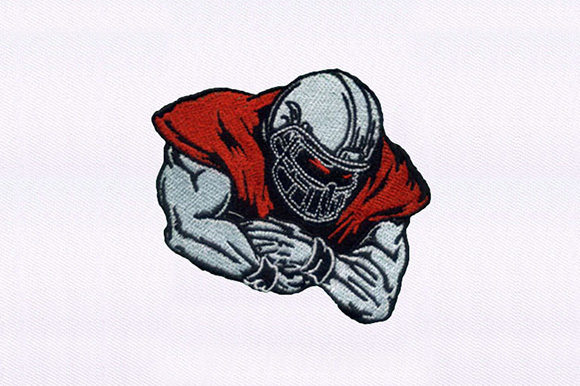
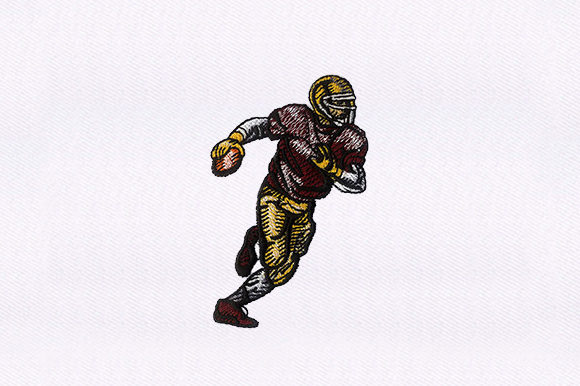
When I download a new embroidery design, especially one with a distinct theme like this Vegan Football Player, my first thoughts aren't just about the artwork. I'm thinking about how it will translate into thread, how it will sit on fabric, and what kind of project it genuinely deserves. This isn't a generic sports icon; it’s a statement piece with personality, and that means its application requires a bit more consideration.
The Visual Personality: More Than Just a Sports Motif
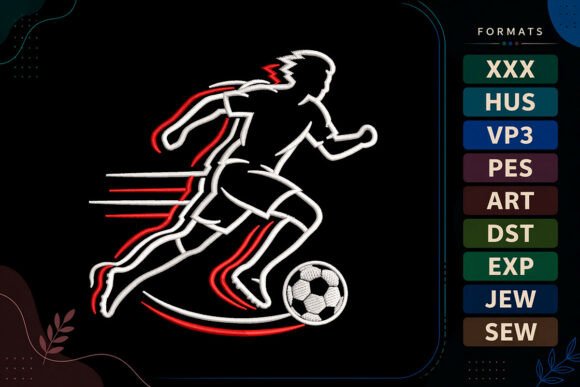
The design immediately strikes a balance between classic athletic imagery and a clear, modern ethos. The mood it creates is upbeat, principled, and slightly playful—perfect for a niche audience or a personalized gift that says more than just “I like football.” The layout tends to be bold and graphic, which is excellent for visual clarity after stitching. The detail level looks manageable, without overly dense fills or tiny, fussy elements that could get lost on textured fabrics. This visual personality naturally belongs to projects meant for someone with specific values, or for products in a boutique or small shop that cater to a conscious, lifestyle-oriented customer.
Where This Design Finds Its Perfect Home
Let’s walk through a real scenario. I’m preparing a custom order for a client who wants an embroidered tote bag as a gift for a vegan, sports-loving friend. This machine embroidery design is the obvious choice. On a sturdy canvas tote, the bold shapes will stitch out cleanly, and the theme turns a simple bag into a meaningful, personalized gift. I’d likely use vibrant greens and earthy thread colors to enhance the theme.
Beyond tote bags, its application is broad. For custom apparel, think relaxed-fit sweatshirts or tees—the design adds character without being overly aggressive. It would be a charming, subtle addition on a baby’s organic cotton romper for a sporty family. As an embroidered patch, it’s ideal; it could be applied to a backpack, a chef’s apron for a plant-based cooking enthusiast, or a pillow cover in a game room. For small business merchandise—say, for a vegan cafe or a wellness brand—it adds a touch of relatable, sporty fun to tea towels, caps, or simple kitchen towels. In a craft business context, this design elevates a basic product into a conversation piece.
Careful Placement: Where to Hoop With Intent
While the description says it’s for “any kind of fabric,” my practical experience advises some caution. On very stretchy fabric like thin jersey, careful stabilizer choice is paramount to prevent distortion. On dark fabric backgrounds, you’ll need to ensure your thread color palette has enough contrast—some mid-tones might disappear. This design might have detailed corners or smaller elements; stitching it on a curved surface like a cap requires testing to ensure those areas don’t pucker.
I’d be wary of very small hoop sizes. If the design is complex, cramming it into a tiny area could lead to high stitch density, making it stiff and less comfortable on garments. For products destined for frequent washing, like kids' wear or kitchen items, a simpler stitch structure (less dense fill stitches) is better for longevity—something to verify in the actual embroidery file.
The Stitched Result: Impact on Value & Perception
When this design is stitched well, its visual appeal is strong and specific. That specificity directly boosts product value in a marketplace; it’s not a mass-market generic logo. For an Etsy seller or creative entrepreneur, offering this on a finished product shows curation and understanding of a customer’s identity, which builds trust and engagement. The handmade presentation feels intentional and thoughtful.
For commercial embroidery or branding, using it consistently on a line of products (like a series of sport-themed vegan gifts) creates lovely brand consistency. Its giftability is high—it’s recognizable yet personal. From a professional standpoint, a clean stitch-out of this design communicates quality, turning a digital design asset into a tangible, professional finished product.
A Designer’s Pre-Stitch Checklist
Before I ever hoop my final project fabric, here’s my routine. I test the design on scrap fabric first, ideally a similar weight and texture to my target item. I check thread color contrast against both light and dark backgrounds. I review the stitch density by feeling the test piece—is it too stiff for a soft sweatshirt? I confirm the physical hoop size needed from the file itself. I inspect how the small details, if any, emerge.
I also recommend testing the design in black and white printable mockups for your shop listings to see how it reads as a graphic. Always, always use the proper stabilizer for your specific fabric. And crucially, since the description mentions it comes with multiple formats, confirm the licensing terms before selling finished items or using it in commercial projects. Not all digital embroidery files come with automatic commercial rights.
This Vegan Football Player design has the potential to be a highly enjoyable project, as the description promises. Its success hinges on pairing its strong theme with the right fabric, the right product, and a mindful embroidery process. For designers and makers aiming to create work that resonates on a deeper level, it’s a practical and engaging choice.