Hello Sunshine: A Designer's Hands-On Review
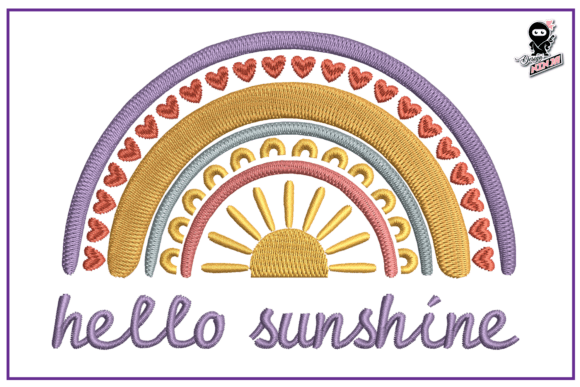
When a new embroidery file lands on my desktop, I immediately start thinking about how it will translate from pixels to stitches. My first impression of Hello Sunshine is exactly what the name promises: a bright, cheerful, and warm greeting. The layout feels open and friendly, not cramped, which is a crucial first sign that it’ll stitch out cleanly. This isn’t a design that shouts; it beams. That visual personality makes it a natural fit for projects where you want to convey a sense of optimism, warmth, or a simple, heartfelt message.
The Mood It Stitches Into Your Projects
This design belongs squarely in that category of embroidery that feels instantly giftable. I picture it on a canvas tote bag for a friend who loves her garden, or centered on a soft sweatshirt for a teacher. The theme is universal—who doesn’t welcome a little sunshine? That broad appeal is a practical advantage for makers. Whether you’re an Etsy seller creating seasonal boutique merchandise or a hobbyist making a personalized baby blanket for a nursery, Hello Sunshine carries a mood that resonates without needing explanation. It has that handmade presentation that feels both professional and personal.
A Real Scenario: The Custom Summer Tote
Let’s walk through a real case. I’m considering using this for a custom tote bag order for a small shop client. My immediate thoughts aren’t about the file itself, but about the finished product. How will the stitches look on the cotton canvas? Will the satin stitch elements have good clarity against the fabric? Because the design feels open and not overly dense, I’m confident it will hold up on a textured bag fabric that gets daily use. The value of the finished tote isn’t just in the bag—it’s in the crisp, cheerful embellishment that makes it feel special. Hello Sunshine on that tote becomes the focal point, elevating a simple item into a branded, craft business product or a perfect holiday gift.
Performance Across Real-Life Embroidery Situations
This is where a designer’s review gets practical. Based on its structure, Hello Sunshine appears adaptable. For custom apparel like t-shirts and sweatshirts, its likely moderate stitch density should prevent puckering on stretchy fabrics if paired with the right stabilizer. It would shine on a tea towel or apron as a kitchen decor piece. For baby clothes, the friendly theme works, but I’d be mindful of scale—embroidering it small enough to suit a tiny garment while preserving detail. As an embroidered patch, it could be fantastic, offering a standalone piece of Summer flair for caps or jackets.
Its strength for commercial embroidery projects or for digital product sellers lies in its versatility. It can serve as a design asset for a range of printable mockups, from baby items to home decor. For an apparel decorator, it’s a quick, appealing option for a client who wants something uplifting without custom artwork. The recognition is instant; people see “sunshine” and smile. That buyer engagement is a real business consideration.
Where to Exercise Some Caution
No design is perfect for every single scenario. With Hello Sunshine, the areas for careful application would typically stem from its details. If the design includes tiny lettering or intricate decorative accents, I’d be cautious on very textured fabrics like some blankets, where stitches can get lost. On dark fabric backgrounds, thread color contrast is paramount—you’d need to test to ensure the sunny mood isn’t muted by poor color choice. For curved surfaces like caps, the layout would need to be checked for distortion in the corners.
Products that need frequent washing, like everyday wear apparel, require a robust embroidery file. I would always advise testing the design on a scrap of the intended fabric first to see how the stitches and stabilizer hold up after a wash cycle. This protects your customer trust and the longevity of your handmade product.
How It Lifts Your Product’s Value
A well-executed embroidery design does more than decorate; it adds perceived value. Hello Sunshine, when stitched cleanly on a pillow cover or a gift towel, transforms that item from generic to curated. For a small shop owner, that means your merchandise stands out at a craft fair. For a creative entrepreneur selling digital embroidery files, it means your previews show a versatile, appealing asset. The professionalism comes from the final stitch clarity—a blurry or puckered “Hello Sunshine” undermines the vibe, while a crisp one enhances brand consistency and giftability immensely.
Practical Notes From the Hoop
Before loading this machine embroidery design for a real project, my routine applies. First, I always stitch it out on a scrap of my target fabric. This reveals everything: the actual stitch density, how small details like potential fill stitch areas behave, and whether my chosen hoop size is ideal. I check thread color choices against both light and dark fabric backgrounds, sometimes even stitching a quick sample in black and white to judge contrast. Stabilizer choice is non-negotiable; it’s the foundation.
I also think about application. Is this for a one-off personalized gift, or for a line of products in my Etsy store? That leads to the crucial step of confirming the licensing for this embroidery file. One must always verify whether it’s cleared for commercial use, for selling finished products, or for reselling as a digital product itself. That information is rarely in the design itself, so checking with the seller or the product details is an essential part of the process.
Ultimately, Hello Sunshine strikes me as a design with strong, straightforward appeal. It’s the kind of embroidery file you reach for when you need a project to feel welcoming and bright. It seems suited to a wide range of Summer-themed items, holiday gifts, and everyday personalized products. Its real-world success, however, will always depend on the careful, practical steps we take as makers—from the test stitch to the final, sunny product leaving your hoop.