Football Number 4 Embroidery Design: A Craft Fair Power Player
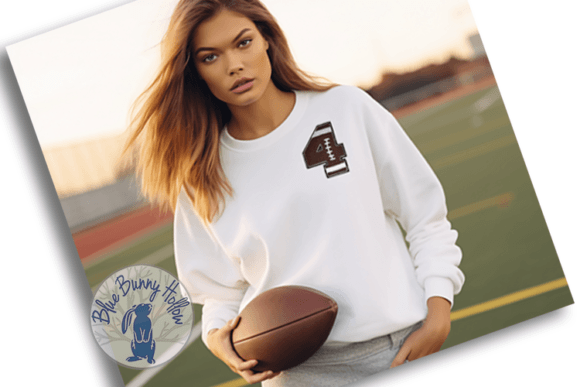
As an embroidery designer preparing for a busy weekend craft fair, my first task is to review new designs with a critical, practical eye. I need to ask: will this design sell? Will it look good in person on the products I make? Is it practical to produce for my booth? When I see a design titled Football Number 4, my initial impression is clear: this is a bold, sporty, and highly decorative statement piece. It leans heavily into a modern, athletic aesthetic with the potential for premium appeal, thanks to the mention of faux football vinyl appliqué. This isn’t a subtle, minimal accent; it’s a focal design meant to grab attention.
Where Football Number 4 Stands Out on the Craft Fair Table
My booth display typically includes tote bags, aprons, tea towels, caps, patches, small pouches, pillow covers, and various giftable items. For Football Number 4, I immediately visualize it on products with a strong, casual, or utilitarian vibe. A crisp, white kitchen towel with this bold number appliqué suddenly becomes a sporty kitchen accessory for a football fan. A durable canvas tote bag or market bag with the design stitched on becomes a perfect gym or game-day carry-all.
This design, however, has its sweet spots. I believe it will perform exceptionally well as an embroidered patch. Patches are hugely popular, and a sporty number like this can be applied to jackets, backpacks, and hats by the customer, increasing its versatility and perceived value. On a cap, the curved surface can be tricky, but a bold, single-digit appliqué often works better than intricate lettering. For a pillow cover in a fan’s living room or a child’s bedroom, it becomes a decorative, personalized home accent. The key is pairing it with the right fabric—think sturdy cottons, duck cloth, or mid-weight linens that can support the appliqué texture.
Production Notes: Turning the Digital File into Sellable Products
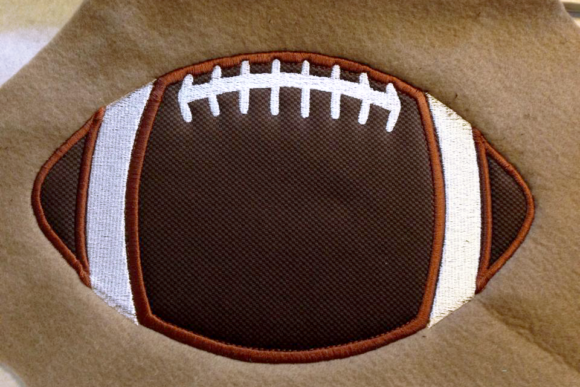
This is where an experienced designer’s judgment matters most. The product description mentions “faux football vinyl,” which indicates an appliqué technique. This adds texture and a premium, authentic look, but it also adds production steps. Before I run a single stitch for batch production, I follow my own essential checklist.
- Test on Scrap Fabric First: Always stitch the Football Number 4 embroidery file on a scrap of the actual fabric I plan to use—a canvas tote, a tea towel, a patch material. This reveals how the vinyl interacts with the fabric texture.
- Check Thread Contrast: On darker fabrics, like a black cap or a navy tote, I need to ensure the thread colors (likely for stitch details around the appliqué) have strong contrast to maintain clarity.
- Review Spacing and Hoop Size: The design’s description doesn’t specify a hoop size. I must check the actual machine embroidery design files to confirm the required hoop. For a large, bold number, it might be best as a 5x7 or 6x10 design, giving me flexibility to use it as a large focal point on bags or pillows.
- Inspect Stitch Density: Dense stitch areas, often found in satin stitches outlining an appliqué, can be challenging on textured towels or loosely woven fabrics. Proper stabilizer choice is critical here to prevent puckering.
- Create at Least One Real Mockup: I never rely solely on printable mockups for my Etsy listings or booth samples. One physical, finished product—a tote bag, a towel—lets me judge the true handmade quality and photograph it accurately for online sales.
- Compare Fabric Colors: I’ll test the design on a few color options. A bright white base makes the vinyl pop, but a natural linen or a heather gray might give it a more sophisticated, modern sport look.
- Confirm Commercial Licensing: Before selling any finished product, I must verify the digital embroidery file comes with a commercial license. This is a non-negotiable step for any small shop product.
Visual Appeal and Customer Attention at the Booth
On the crowded craft fair floor, Football Number 4 has an advantage: it’s instantly understandable. It’s a sports number. This immediate recognition stops browsing customers, especially those looking for gifts for football fans, sporty kids, or anyone with a team allegiance. The appliqué technique adds a tactile, quality feel that customers notice when they touch the product—it elevates it from a simple stitch design to a textured, crafted object. This directly boosts perceived product value.
For my brand consistency, if my booth leans toward modern, graphic, or personalized gifts, this design fits perfectly. It’s not rustic or farmhouse; it’s clean and athletic. Displayed prominently on a central pillow or a row of matching tote bags, it creates a strong, cohesive booth display theme. It encourages buyer engagement because it’s so clearly for a specific interest—people will comment, “My son is number 4!” or “My husband would love this.”
Practical Selling Points and Careful-Use Notes
While the design is bold, some practical considerations affect its success. As a small accent? Probably not. The nature of a single, large number means it’s designed to be a centerpiece. Shrinking it down too much for a tiny pouch or a shirt pocket might lose the impact and detail of the faux vinyl texture. Tiny lettering within the design, if present, could become unreadable at smaller sizes.
Photographing it for my Etsy listings requires care. The texture of the vinyl needs to be visible. I’ll shoot in good light, perhaps with a football or a simple green fabric backdrop to subtly reinforce the sports category without being kitschy. For batch production, the design feels repeatable—a single-digit appliqué is often a straightforward, consistent stitch-out, which is ideal for making multiple tea towels or patches efficiently.
However, dense stitch areas around the appliqué perimeter mean I must use the right stabilizer for each product type. For a tea towel, a cut-away stabilizer might be necessary for durability. For a cap, a sturdy tear-away or specialty cap stabilizer is key. On dark fabrics, I might opt for a bolder, brighter thread for the topstitching to ensure the design doesn’t visually “sink” into the fabric.
The Final Verdict for Creative Entrepreneurs
From my perspective as a professional embroidery designer preparing for a market, Football Number 4 is a strong contender for the sports niche. It’s not a universal, everyday design, but within its category, it has high potential. Its best chances to sell are as a featured, large-scale design on home decor items like pillow covers, or as a high-quality, textured patch. It also works wonderfully on practical, everyday items like aprons and tote bags for fans who want to show their spirit in a subtle, craft-quality way.
The final step is to make it real. I’ll load the machine embroidery design, hoop my first test fabric—a sturdy canvas for a tote—and watch that number 4 come to life. If the stitch-out is clean, the vinyl lays flat, and the final product looks and feels premium, then I know I have a craft fair product that can score a touchdown of sales.