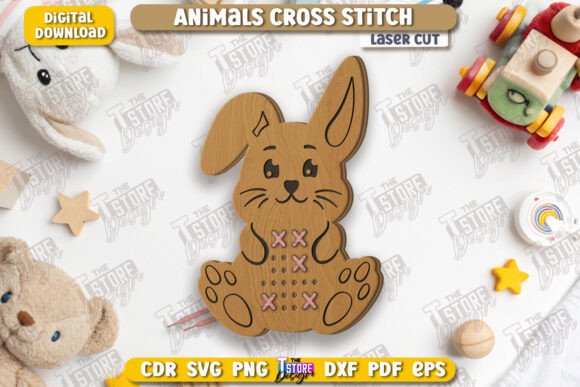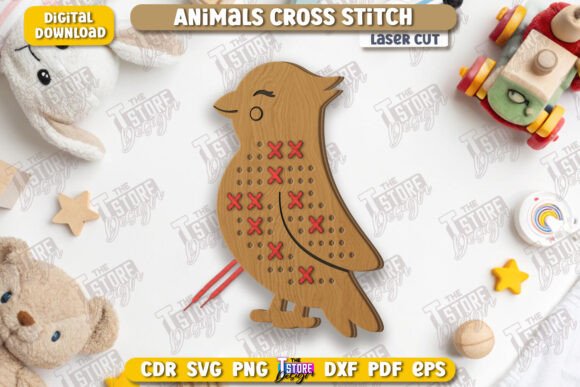
Cross Stitch Bird Laser Cut Montessori: A Designer’s Honest Review
As an embroidery designer constantly sourcing files for client projects and my own handmade shop, I approach every new design with a practical eye. Is it worth the download? Will it perform on real fabrics? Does it add genuine value to a finished product? When I first saw the Cross Stitch Bird Laser Cut Montessori listing, my immediate thought was: this isn’t a typical machine embroidery design. It sits in the Other Toys Games and Laser Cutting categories, which tells you its primary intent. But for creative entrepreneurs, a good file is a tool, and its application can be broader than its label. Here’s my evaluation of this product from the perspective of someone considering it for embroidery-related projects.
First Impression: A Delicate and Playful Graphic
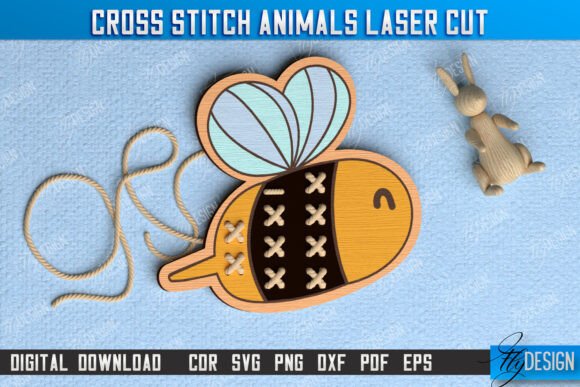
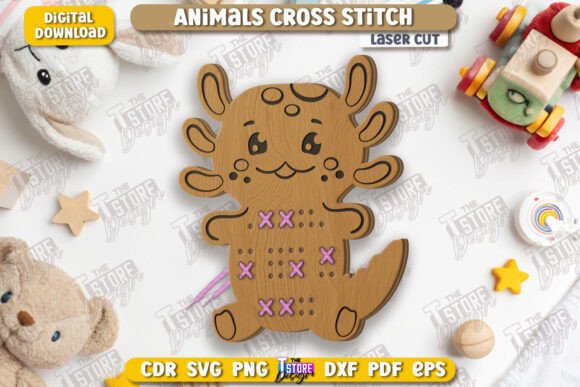
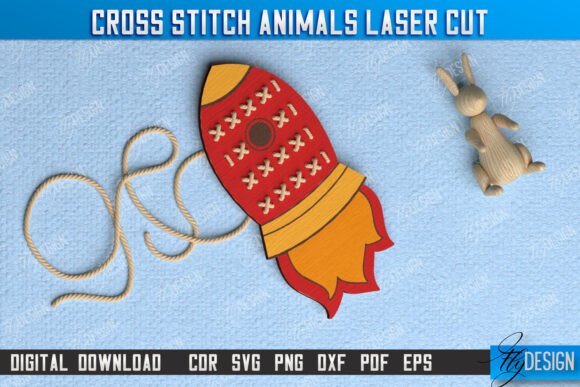
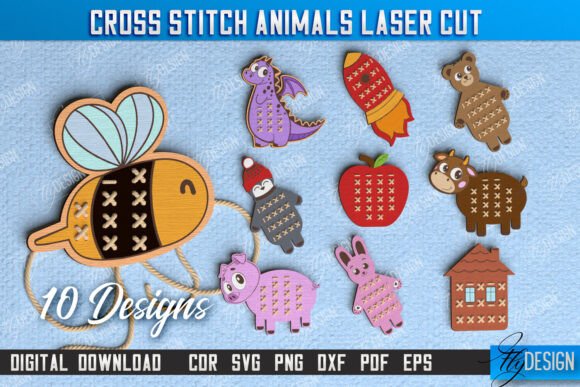
The visual mood of the Cross Stitch Bird Laser Cut Montessori design is clean, educational, and charming. It evokes a sense of classic, hands-on play. As an embroidery file, this translates to a design with strong graphic lines—the RED for cut and BLACK for engrave mentioned in the description create a blueprint for a stitched outline. The detail level appears moderate, focusing on clear shapes rather than ultra-dense textures. Its stitching personality would lean towards a decorative outline or a simple fill stitch application if adapted, making it suitable for projects where clarity and a touch of whimsy are key.
Where This Design Could Fit in Your Embroidery Work
This isn’t a traditional, stitch-count-heavy machine embroidery design. Therefore, using it requires a bit of translation. Think of it as a design asset. Its clean lines could be excellent for creating embroidered patches, especially for a nursery decor line or educational themed products. It could be stitched onto a baby blanket or a pillow cover as a minimalist accent. For custom apparel like sweatshirts or children’s tote bags, it offers a non-intrusive, sweet decoration. I envisioned it on a linen apron or a kitchen towel as part of a handmade gift set for a teacher or a new parent. Its style lends itself well to product photography for Etsy listings or printable mockups, giving a clean, professional look.
Practical Performance on Real Fabrics and Products
Any time you adapt a design from another medium, careful testing is paramount. For real embroidery work, consider these points. The potential for small details—like tiny features in the bird motif—means you must test on scrap fabric first. Use a proper stabilizer to ensure crisp lines, especially if you plan to interpret the “engrave” lines as a running stitch or fine satin stitch. On textured or stretchy fabric, those fine lines could get lost. On dark fabric, you’d need to check thread color contrast meticulously; a white or bright thread might be essential.
Consider the project surface. A curved cap surface might distort a design with longer lines, so a smaller, simplified version might be better. For items needing frequent washing, like baby items or towels, ensure your stitch choice is secure and the stitch density isn’t so high that it stiffens the fabric. Always confirm hoop size feasibility by looking at the design’s dimensions in your software before hooping your actual project fabric.
Adding Value to Your Handmade Business
From a commercial standpoint, the Cross Stitch Bird Laser Cut Montessori design can contribute to your brand’s aesthetic if you specialize in playful, rustic, or educational themes. Its simple appeal can enhance giftability and create a cohesive look across a product line—think a series of animal-themed handmade products. For craft fair products or boutique merchandise, it offers a quick-to-stitch option that feels personal and thoughtfully made, which builds buyer trust. A well-executed, clean embroidery using this graphic can elevate the handmade presentation, making the item look professionally designed rather than generic.
Crucial Steps Before You Stitch a Customer Order
Never commit a design to a final product without due diligence. First, review the stitch density if you convert the file, ensuring it’s suitable for your chosen fabric weight. Compare light and dark fabric mockups digitally to preview the final look. Most importantly, confirm file details and licensing on the Creative Fabrica product page before selling finished items. The description clearly states it’s a product for Laser Cutting Machines. As an embroidery designer using it differently, you must understand the license terms for your specific use—selling physical embroidered items. Does it allow commercial use? This is not information I can invent; you must check it yourself. Also, inspect the file itself: are the lines clean and closed? Inspect small details after stitching a test piece to ensure no skipped stitches or jagged edges.
Final Thoughts for Creative Entrepreneurs
The Cross Stitch Bird Laser Cut Montessori design is a niche asset. It won’t be a one-click solution for dense, fully filled embroidery. But for designers and makers looking for a charming outline graphic to adapt for embroidery, it has potential. Its strength lies in its decorative appeal and thematic fit for children’s products, educational gifts, and rustic home decor. It encourages you to think of a digital embroidery file not just as stitches, but as a shape, an idea. If you take the time to adapt it responsibly—testing, checking licenses, and matching it to the right project—it could become a unique part of your commercial embroidery or handmade product lineup. For a quick, sweet accent on a tote bag or a patch for a baby’s sweater, it might be exactly the simple touch you need. But always remember: your success with any design from Creative Fabrica, especially one from a category like Laser Cutting, hinges on your own careful preparation and respect for both the technical demands of embroidery and the legal terms of use.