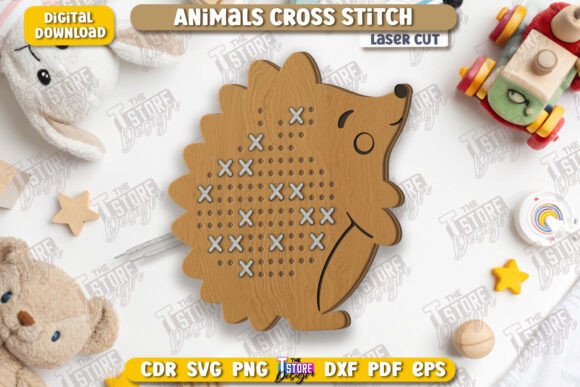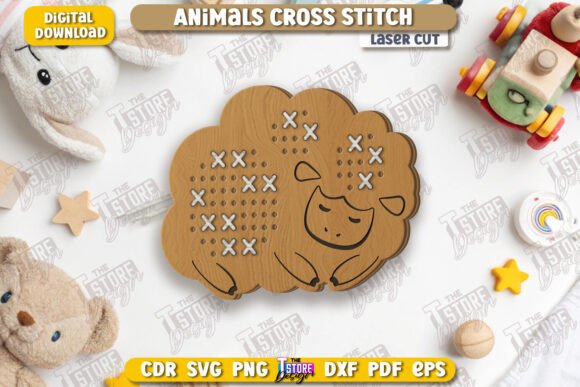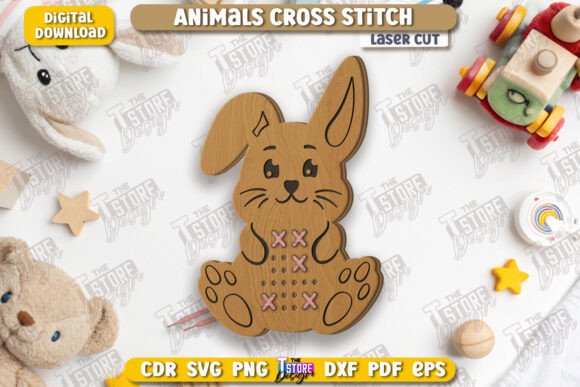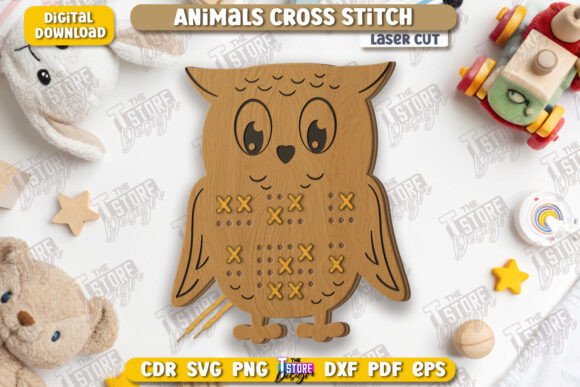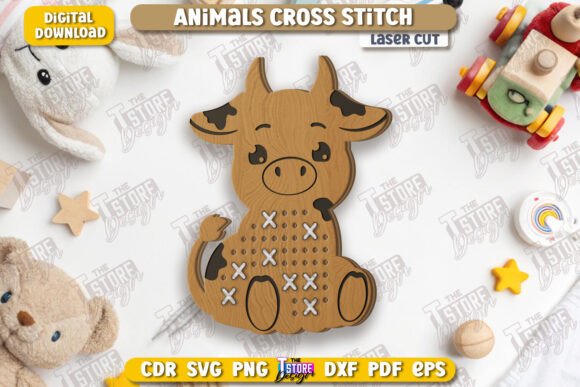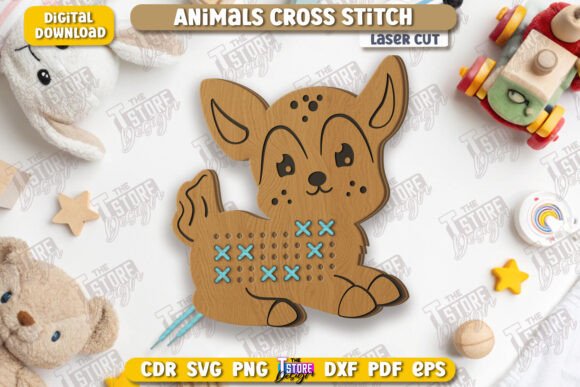
A Woodland Cross Stitch Deer Design for Crafters
As I prepare my stock for the weekend's craft fair, I'm evaluating new designs to add to my lineup of embroidered goods. The Cross Stitch Deer Laser Cut Montessori file has landed in my collection, and it's time to judge its real-world potential for my booth. My table will feature the usual suspects: tote bags, aprons, tea towels, caps, and pillow covers. I need designs that sell instantly, look premium in person, and are practical to produce in batches. Let's see where this woodland deer fits.
First Impression: Rustic Elegance with Educational Charm
The title alone—Cross Stitch Deer Laser Cut Montessori—sets a specific mood. It feels rustic and elegant, leaning into that popular farmhouse aesthetic, but with a soft, educational charm. The "Montessori" and "lacing game" hints in the description suggest it's more than just decor; it has a purpose. This duality is a selling point. For a craft fair customer, it can signal both a decorative piece for a home and a thoughtful, handmade gift for a child. The design isn't overtly funny or festive; it's a timeless, nature-inspired graphic that feels premium and gentle.
Where This Design Stands Out on the Sales Table
In a crowded marketplace, your product needs to catch the eye from three feet away. For the Cross Stitch Deer Laser Cut Montessori, I see its greatest impact on larger, flat surfaces where the intricate cross-stitch aesthetic can be fully appreciated.
Prime Product Candidates
- Tote Bags & Market Bags: This is a top contender. The design would work beautifully as a focal point on a natural canvas or linen bag. It conveys a handmade, artisanal quality that elevates a simple bag into a special purchase.
- Pillow Covers: A linen pillow cover embroidered with this deer would be an instant bestseller for the home decor crowd. It feels cozy and decorative.
- Aprons & Kitchen Towels: For the rustic kitchen niche, a crisp white tea towel or a neutral apron with this design would look fantastic. It’s less about utility and more about adding a touch of woodland charm to the kitchen.
- Embroidered Patches: This is a clever application. As a standalone patch, it could attract buyers looking for a unique, sew-on item for a backpack or jacket. The "lacing game" aspect could even be playfully referenced.
Considerations for Smaller Items
On curved surfaces like caps, or very small items like pouches, the design might lose clarity if scaled down too much. The laser-cut and engraved lines mentioned in the description imply precise details. On thick fabric or textured towels, careful stabilizer choice is crucial to maintain definition. For dark fabric, you must plan thread colors for high contrast—a light deer on a dark ground could be stunning.
The Practical Production Checklist
Turning a digital embroidery file into a stack of sellable products requires a methodical approach. Here’s my review for batch production.
Understanding the Design at a Glance
The product description clearly states: "RED line - CUT BLACK line - ENGRAVE". This is vital. As an embroidery designer, I'm interpreting this for my machine. The "cross stitch" look will be achieved through the embroidered fill, while the cut and engraved lines likely create the outline and detail. This layered effect could create beautiful depth, making the finished product look more valuable. However, it means the design isn't just a simple fill; it requires precise machine handling.
Batch Production & Online Sales
- Repeatability: The design seems consistent and symmetrical, which is good for batch work. Once I dial in the correct hoop size, stabilizer, and fabric, I can produce multiple units efficiently.
- Photographing for Online Listings: This design will photograph well for my Etsy shop or printable mockups. The rustic elegance translates beautifully in images, especially on natural textures like linen or canvas. It’s important to create at least one real physical mockup to capture authentic photos—digital mockups won't show the true stitch texture.
- Stitch Density & Fabric Choice: I must test this on scrap fabric first. Dense stitch areas can cause puckering on lightweight materials. For tea towels or tote bags, which are often coarse, a good stabilizer is non-negotiable. I'll also check thread color contrast against my planned fabric colors.
Boosting Booth Appeal and Buyer Engagement
A craft fair booth is a stage. Every product plays a role in the overall story.
The Cross Stitch Deer Laser Cut Montessori contributes to a brand story of thoughtful, nature-inspired craftsmanship. When displayed among more graphic or modern designs, it offers a soft contrast. It attracts a specific customer: one looking for a gift, a cozy home item, or something with a nostalgic, handmade feel. Its perceived handmade quality is high. When a customer sees the intricate cross-stitch texture combined with the sharp laser-cut outline (if achieved through embroidery simulation), they engage with it—they touch it, ask about the process. That engagement is a direct path to a sale.
It also increases product value. An embroidered tote bag with a simple logo is one thing; a tote bag with this detailed, artistic deer design justifies a higher price point, reinforcing the premium feel of your entire booth.
Final Designer Notes Before the Fair
Before I commit this design to my production schedule, here is my final checklist. These notes are crucial for any Etsy seller, small shop owner, or commercial embroidery business.
- Test on Scrap Fabric: Run the file on the actual materials you'll use: canvas, linen, cotton towel fabric. Inspect stitch density, thread tension, and any potential for puckering.
- Check Hoop Size Compatibility: The description doesn't specify a hoop size. I must confirm the design dimensions fit my standard hoops for products like pillow covers and tote bags. Scaling can affect detail clarity.
- Review Thread Colors & Contrast: Choose a thread palette that enhances the rustic elegance. Natural tones (browns, greys, creams) will likely work best. Test on both light and dark fabrics.
- Confirm Commercial Use Rights: The description mentions it's a CNC file for laser cutting machines. As an embroidery designer using it for derivative embroidered products, I must verify my license allows for commercial sale of finished goods. Never assume.
- Create a Real Sample for Display: My booth needs a beautiful finished sample. This real mockup is my strongest sales tool. It shows customers the exact quality they'll receive.
The Cross Stitch Deer Laser Cut Montessori presents a compelling opportunity. It taps into popular aesthetics while offering functional versatility across several best-selling craft fair products. With careful production testing, it can become a standout piece that draws eyes to your table and hands to their wallets. Now, it’s time to load the file and start stitching that first sample.